
PrecisionGo’s Impact
PrecisionGo’s impact lies in enabling complex research and translational work to move forward more coherently. Rather than focusing on outcomes or results, the examples below illustrate how integrated pipelines can support discovery, validation, and clinical relevance across different contexts.
These case studies are presented to show what is possible when technologies, analysis, and governance are intentionally aligned. They are real-world examples of in-progress or early-stage studies that have utilised PrecisionGo’s integrated pipelines. Across these examples, PrecisionGo pipelines demonstrate the ability to:
support both exploratory and hypothesis-driven studies
integrate multiple modalities within a single workflow
preserve clinical and tissue context alongside molecular data
enable progression from discovery toward validation and translational application
adapt to different disease areas and study designs
Impact in precision medicine is cumulative and collaborative. As studies progress, insights generated through PrecisionGo pipelines may inform validation efforts, clinical trials, and future diagnostic or therapeutic approaches. PrecisionGo is designed to support this progression over time, recognising that translation rarely follows a single, linear path.
Case Study 1: Spatial transcriptomics to inform vaccine design
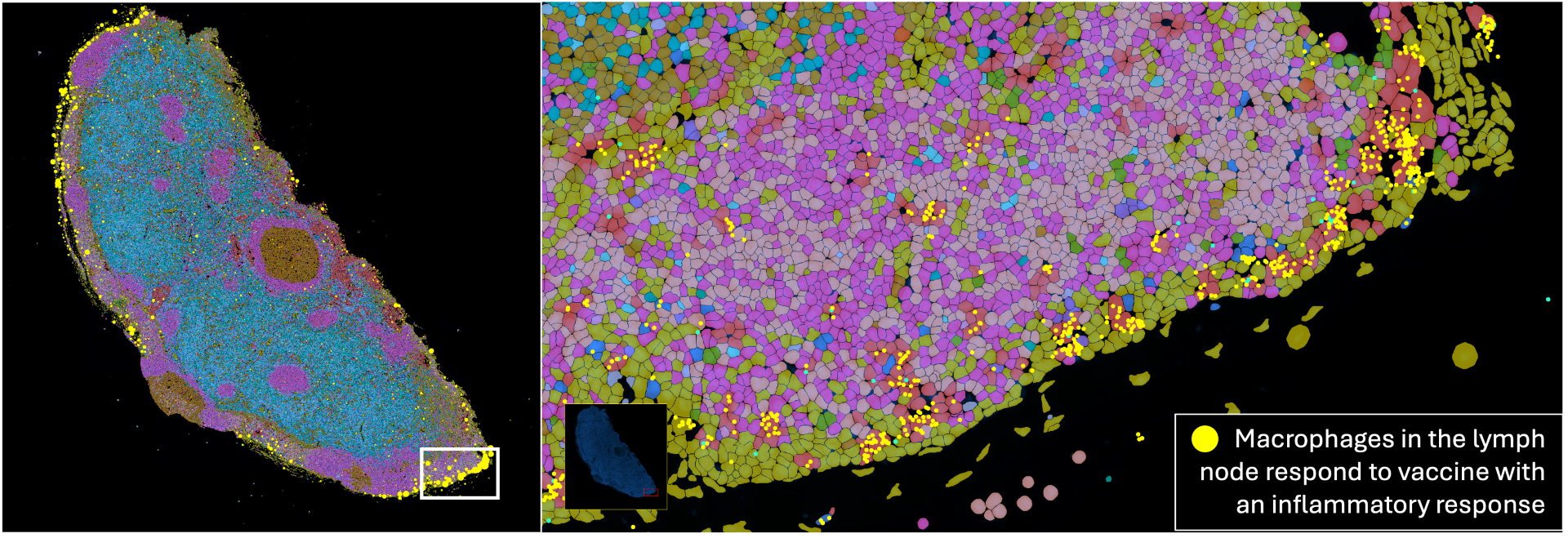
Research context: Understanding early innate immune responses to vaccination requires preserving tissue architecture and resolving how immune cells interact within lymphoid tissue.
How PrecisionGo enabled this work: This study used PrecisionGo’s targeted spatial transcriptomics pipeline to analyse intact human lymph node tissue. The pipeline integrated histology, spatial gene expression profiling, and coordinated analysis to examine immune cell positioning, interactions, and pathway activation following vaccine exposure.
By maintaining spatial context, the team was able to explore immune cascades that are not observable in dissociated cell systems. PrecisionGo’s integrated workflow supported alignment between experimental design, tissue handling, and downstream interpretation.
What this enables: This work demonstrates how spatially resolved pipelines can support vaccine research by linking molecular signals to tissue organisation, helping to inform more precise immunological models.
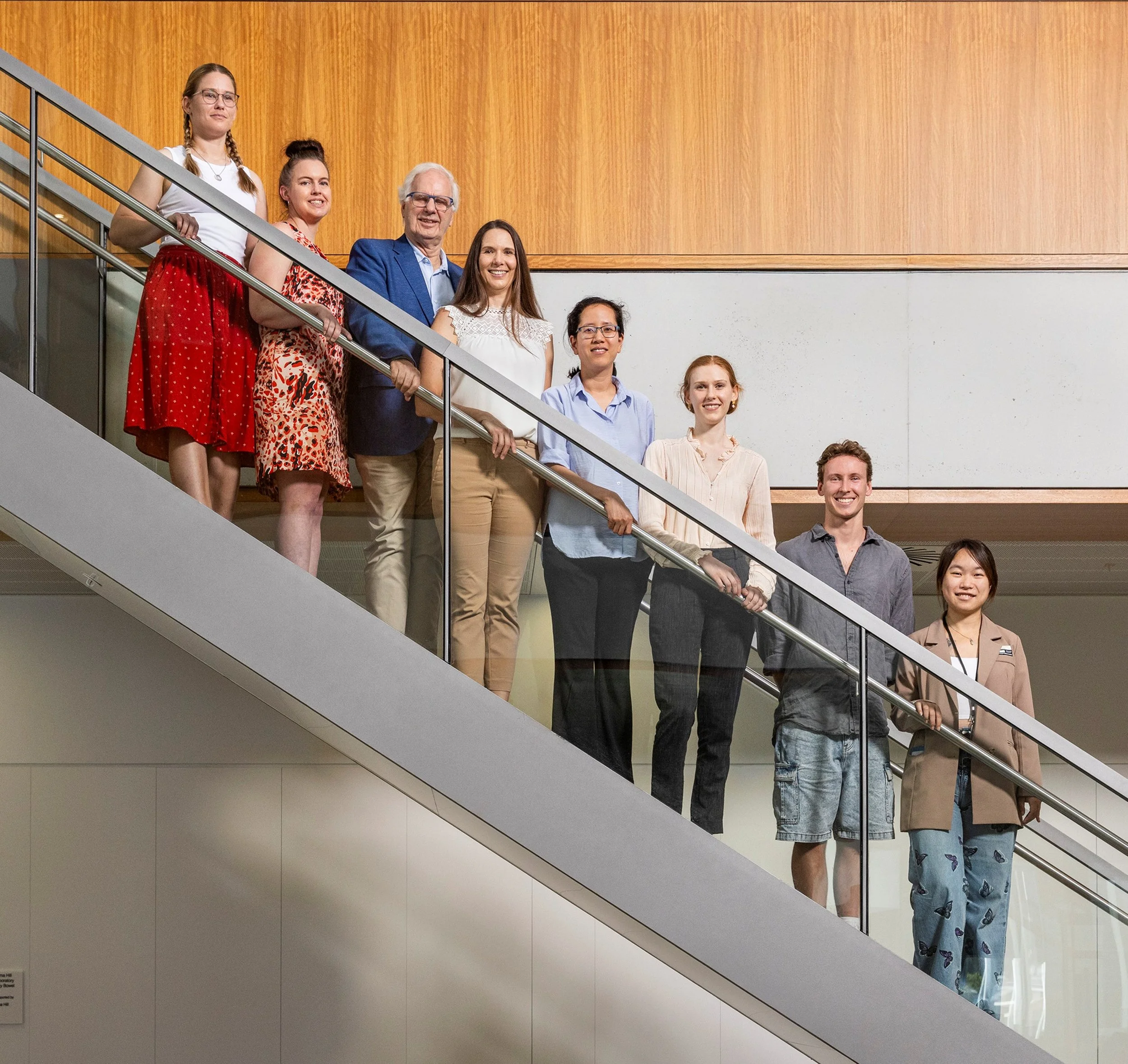
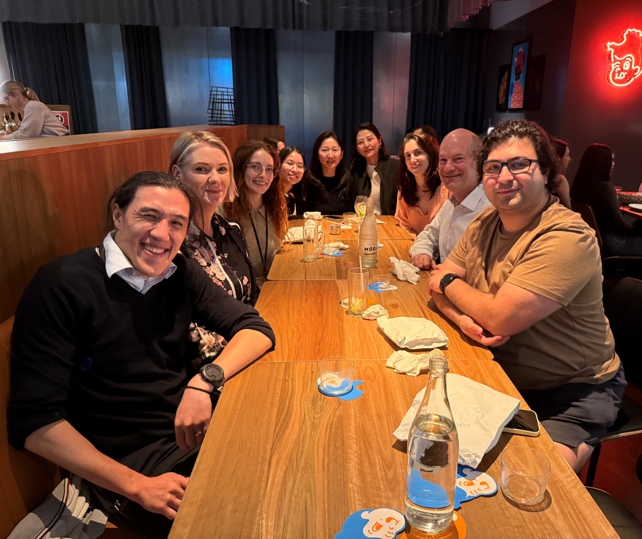
Case study courtesy of Kerrie Sandgren, Sifan Zhang and Tony Cunningham. This work is being done by the Centre for Virus Research (team pictured above), in collaboration with surgeons at Westmead Hospital.
Case Study 2: Sensitive detection of viral persistence in hepatitis B
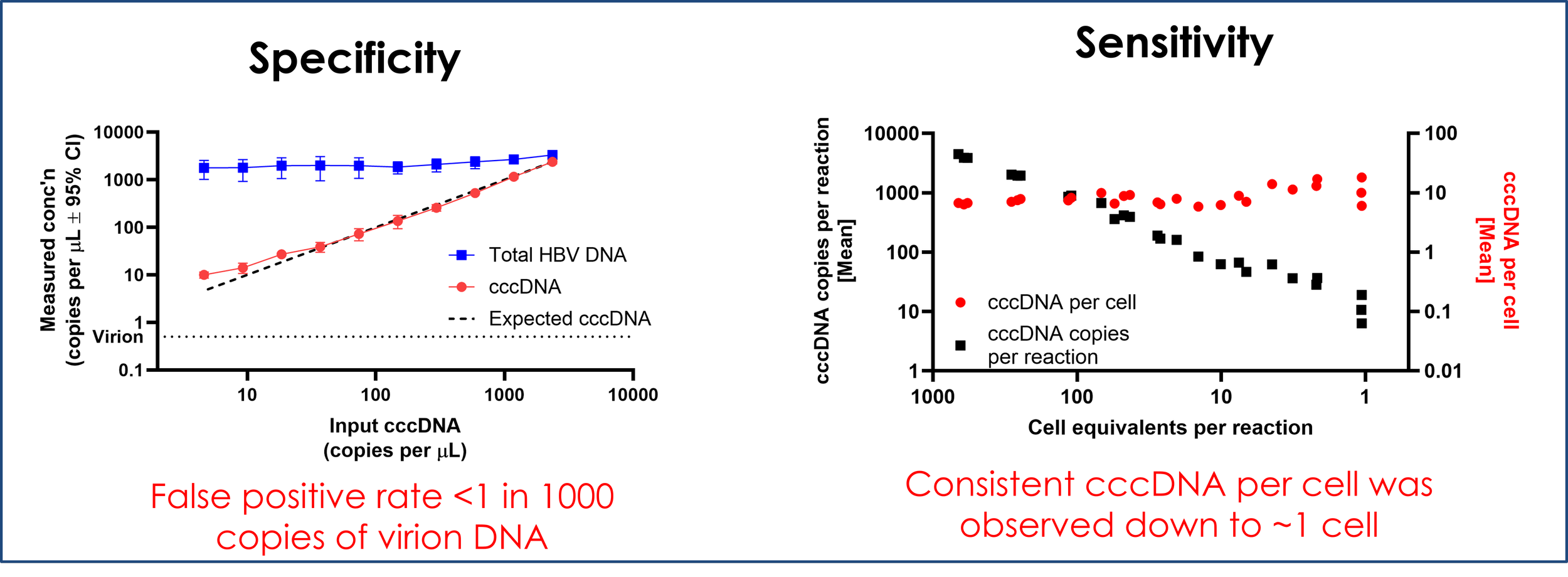
Research context: A major barrier to curing hepatitis B is the persistence of covalently closed circular DNA (cccDNA), which is difficult to detect due to low copy number and similarity to other viral DNA forms.
How PrecisionGo enabled this work: This project used a targeted genomics and molecular profiling pipeline supported by PrecisionGo to develop and apply a highly sensitive digital PCR–based assay for detecting cccDNA. The pipeline integrated assay development, validation across viral genotypes, and application to small clinical samples such as fine needle aspirates.
PrecisionGo’s coordinated access to molecular technologies and bioinformatics support allowed analytical workflows to be refined and reused across experiments, supporting consistency and traceability as the work progressed.
What this enables: The study illustrates how PrecisionGo pipelines can support method development and validation for challenging translational questions, particularly where sample size is limited and analytical sensitivity is critical.
Case study courtesy of Delgerbat Boldbaatar, Vikki Ho, Henrik Zhang, Chiao-Fang Teng, Hung-Wen Tsai, Sarah Bae, Taylor Shue, Yingpu Yu, William M Schneider, Lefteris Michailidis, Jacob George, Mark W Douglas, and Thomas Tu. This work is being done by the Storr Liver Centre (team pictured to the right).
Case Study 3: Early intervention in Sjögren’s disease using immune profiling
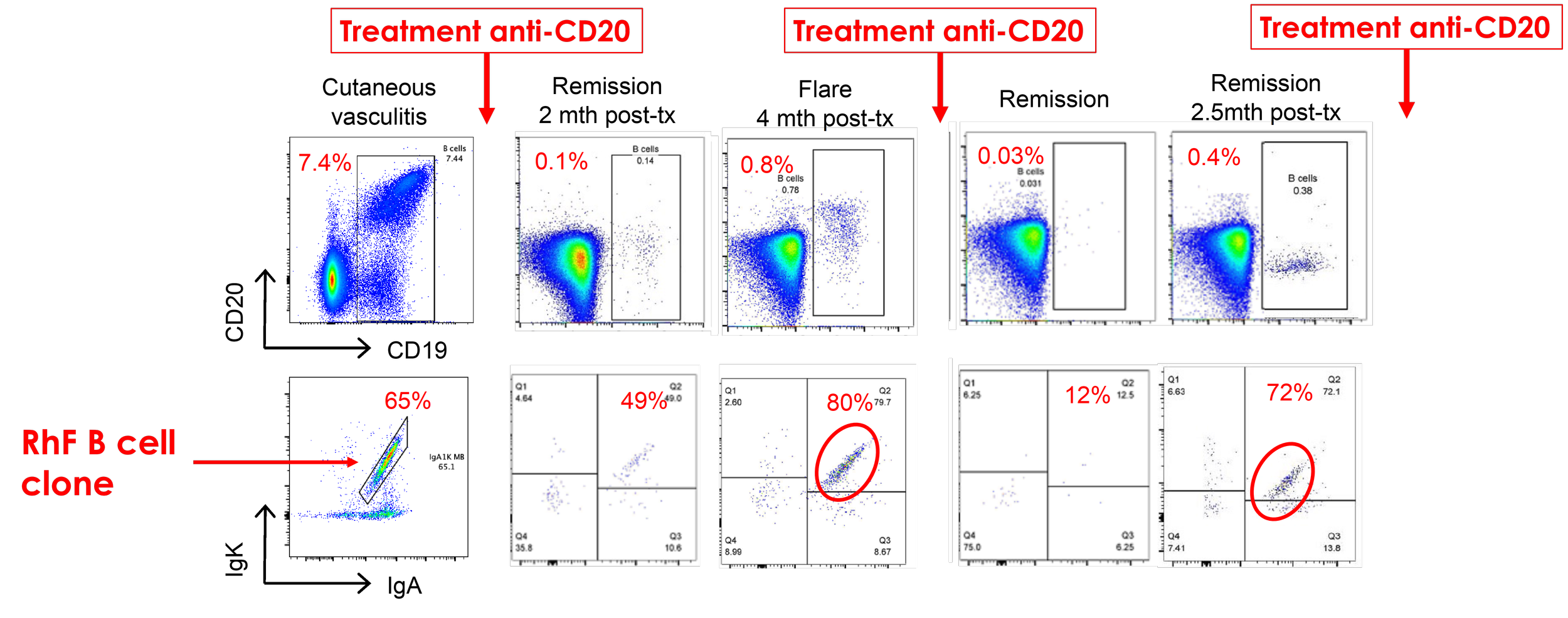

Research context: Autoimmune diseases such as Sjögren’s disease are clinically heterogeneous, with disease activity often fluctuating over time. Identifying patients at risk of flare before clinical symptoms emerge remains a significant challenge, limiting opportunities for early intervention.
How PrecisionGo enabled this work: This study used PrecisionGo’s flow cytometry–based immune profiling pipeline to analyse B cell populations in patients with Sjögren’s disease. By combining high-dimensional cytometry with coordinated analytical support, the team was able to track persistent rheumatoid factor (RhF) B cell clones associated with disease activity.
PrecisionGo enabled this work by providing access to specialised cytometry capabilities within a coordinated workflow, allowing immune phenotyping to be undertaken systematically and interpreted in the context of disease progression rather than as isolated experiments.
What this enables: This approach demonstrates how integrated immune profiling pipelines can support earlier identification of disease activation stages in autoimmune conditions. By enabling the tracking of pathogenic immune cell populations over time, PrecisionGo pipelines support research aimed at predicting flares and informing earlier, more targeted treatment strategies.
Study led by Joanne Reed, Westmead Institute for Medical Research.
What these examples show
These case studies illustrate how PrecisionGo pipelines can support a wide range of research and translational questions while maintaining coherence across modalities, analysis, and interpretation. They reflect the ability to adapt integrated pipelines to different disease areas, sample types, and study designs, while preserving clinical relevance and analytical continuity.
PrecisionGo’s impact is realised over time, through repeated use, refinement, and collaboration. By enabling integrated pathways rather than isolated services, PrecisionGo supports research that is better positioned to progress from discovery toward validation and, ultimately, clinical application.